Why Textile Waste Is Nigeria’s Silent Crisis—and What You Can Do About It
In the bustling markets of Lagos, the fashion houses of Abuja, and the homes across Nigeria, textiles are everywhere. We wear them, decorate with them, and discard them—often without a second thought. But beneath the vibrant colors and flowing fabrics lies a growing problem that few are talking about: textile waste.
While plastic pollution and electronic waste dominate headlines, textile waste quietly piles up in landfills, gutters, and incinerators. It’s a crisis hiding in plain sight—and it’s time we face it.
🚨 The Scale of the Problem
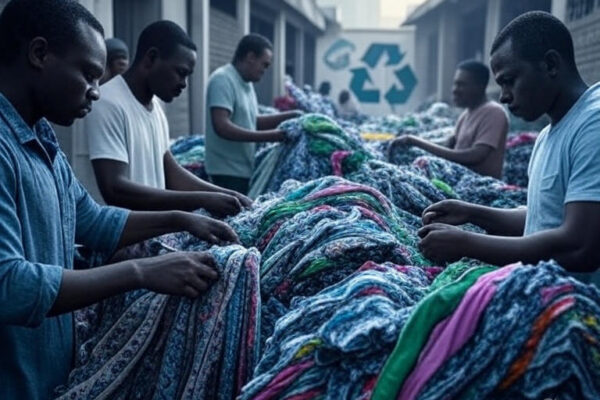
Nigeria imports millions of tons of second-hand clothing annually, much of which is already at the end of its life cycle. Add to that the fast fashion trend, local production waste, and household discards, and you have a textile tsunami. Most of these fabrics are synthetic or blended, meaning they don’t biodegrade easily. Instead, they sit in dumpsites for decades or are burned—releasing toxic fumes into the air we breathe.
Textile waste clogs drainage systems, contributes to flooding, and contaminates soil and water. Yet, because it’s soft, colorful, and familiar, it rarely sparks the urgency it deserves.
🧵 Why It’s “Silent”
Unlike plastic bottles or e-waste, textile waste doesn’t make noise. It doesn’t beep, crackle, or float visibly in oceans. It’s soft, it folds, it hides. And because it’s often associated with fashion and comfort, it’s easy to overlook its environmental impact.
There’s also a lack of infrastructure for textile recycling in Nigeria. Most people don’t know where to take old clothes, and businesses rarely have systems in place to manage fabric waste responsibly. The silence isn’t just physical—it’s systemic.
🌍 The Environmental Toll
- Water Waste: Producing one cotton shirt can use up to 2,700 liters of water.
- Carbon Emissions: The fashion industry contributes up to 10% of global carbon emissions.
- Microfiber Pollution: Washing synthetic clothes releases microfibers into waterways, harming marine life.
- Landfill Overflow: Textiles take up valuable space in landfills and release methane as they decompose.
💡 What You Can Do
The good news? You don’t need to be an environmental expert to make a difference. Here’s how you can help:
1. Donate Responsibly
Instead of tossing old clothes, donate them to organizations like Fabric2build that recycle and repurpose textiles.
2. Schedule a Pickup
If you’re in Lagos or surrounding areas, Fabric2build offers free pickup services. We collect your unwanted fabrics and give them a second life.
3. Shop Sustainably
Support brands that use recycled materials or practice ethical production. Buy less, choose well, and make it last.
4. Educate Others
Talk about textile waste. Share this blog. Encourage friends and family to rethink how they dispose of clothes.
5. Partner with Us
Are you a business, school, or hotel? Let’s work together to manage your textile waste responsibly. Fabric2build offers tailored recycling solutions for institutions.
🧱 From Waste to Worth
At Fabric2build, we believe that every piece of cloth has value. We transform discarded textiles into cushion covers, insulation panels, tote bags, and even emergency relief items. By recycling fabrics, we’re not just reducing waste—we’re rebuilding communities, creating jobs, and protecting the environment.
✊ The Time to Act Is Now
Textile waste may be silent, but its impact is loud. It’s time we listen, learn, and lead change. Whether you’re cleaning out your closet or managing a business, your actions matter.